Making Room
Hunger!, a cassette label, on the architecture of a scene that refuses to scale
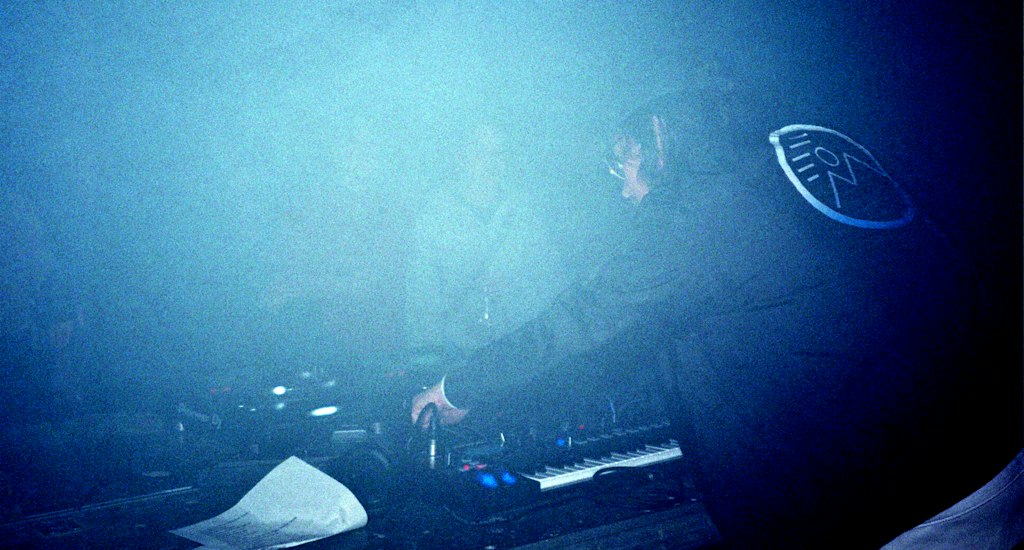
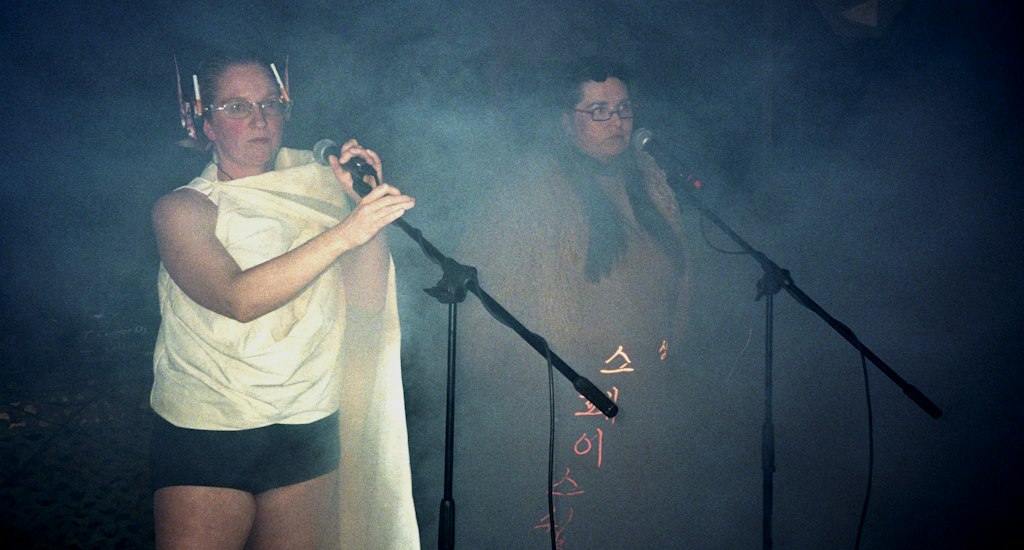
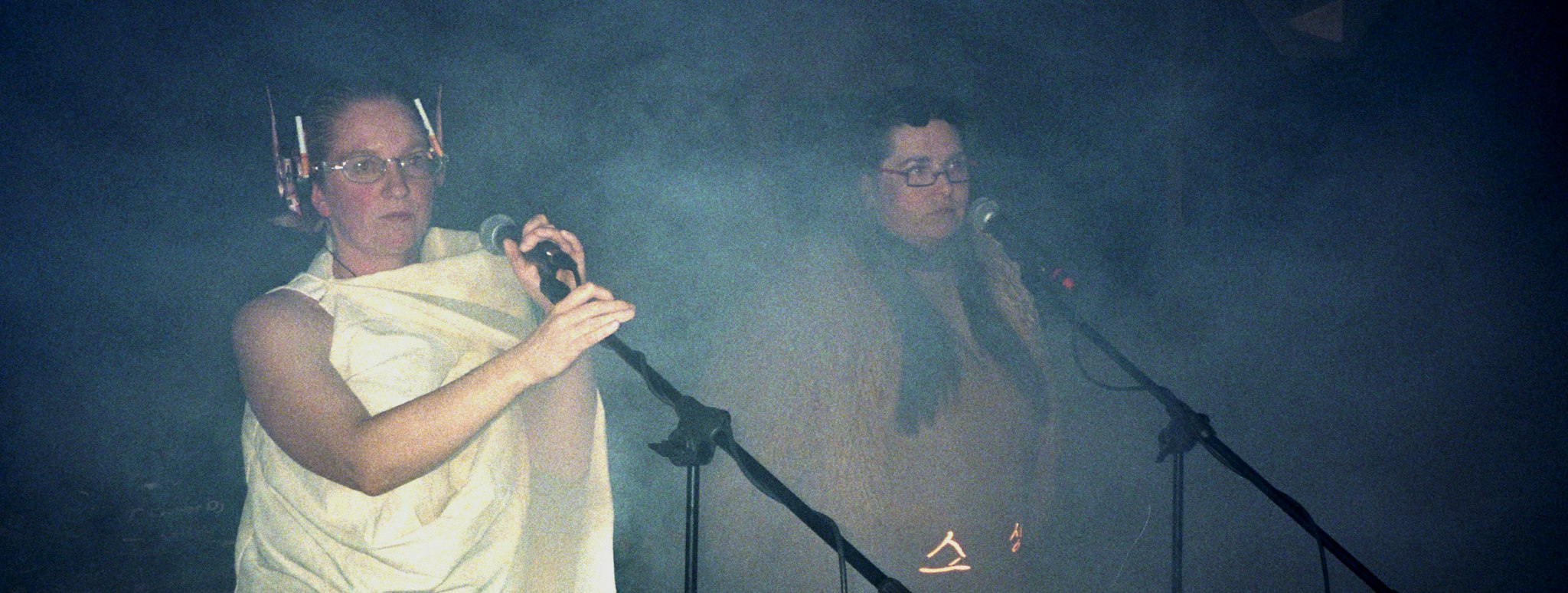
The release party took place at Future Intel, and the crowd was the kind that rarely shares a floor: ageing acid heads, survivors of the old wave and punk years, and Gen Z near the front. One guest, a friend from the art world, said it was the first party in a long time where she felt at ease. The sentence is worth keeping, because it is really about space. A room had been arranged, by design or by luck, in which several generations could stand beside one another without anyone feeling out of place.
A tool, not a brand
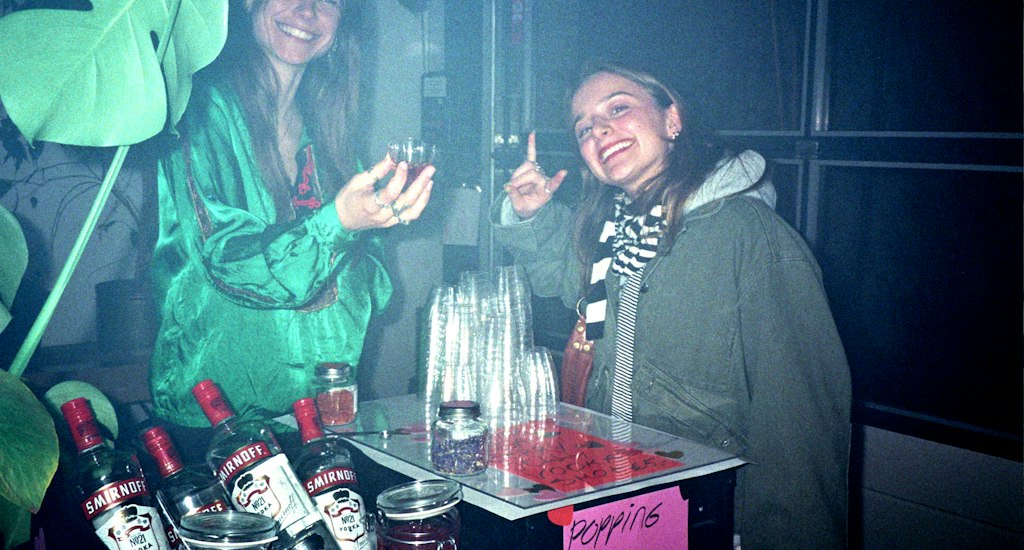
The occasion was a release party for Former Friend, the first various-artists cassette from Hunger!, the label run by Robin, who records as aea3a, and Sara, who records as Dim Garden. The two met at a Psychic TV concert in Amsterdam and bonded over noise and industrial records, and their own duo, Baglover, still carries that lineage. The label is gentler on the surface, but punk in its method: a tool rather than a brand, self-organised and kept in-house, built to facilitate the artist rather than to promote a name. The network grows by who knows whom, not by marketing. As Hunger! puts it, the punk part is the attitude, not the volume.
Even the name is an argument. Its clearest source is Kafka's hunger artist, the performer who starves himself for an art that no one around him quite understands or values. Hunger here is not only the body's. There is a spiritual kind too, the appetite to keep art and culture and music in a life, and a label, in this reading, exists to feed the hunger the market does not name.
The object, and the room
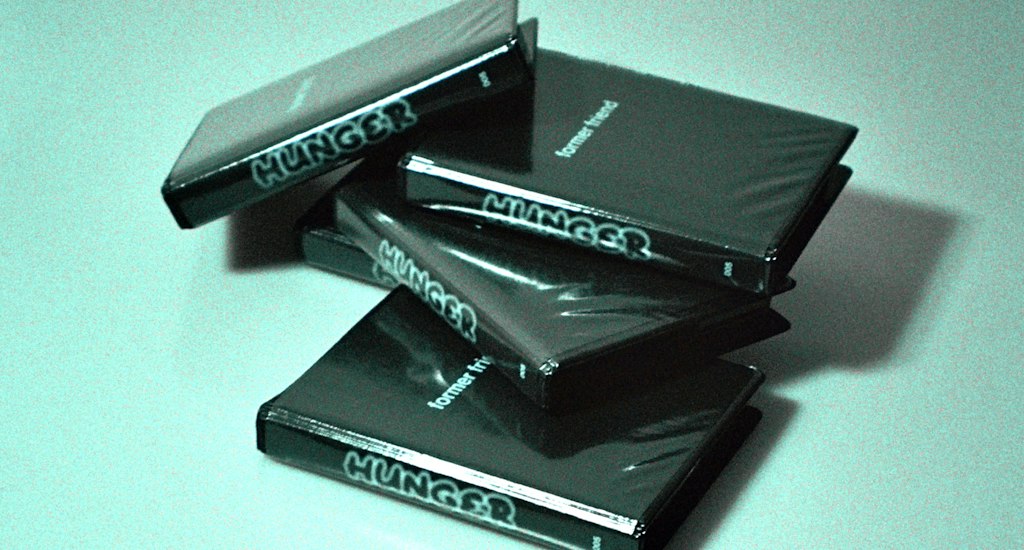
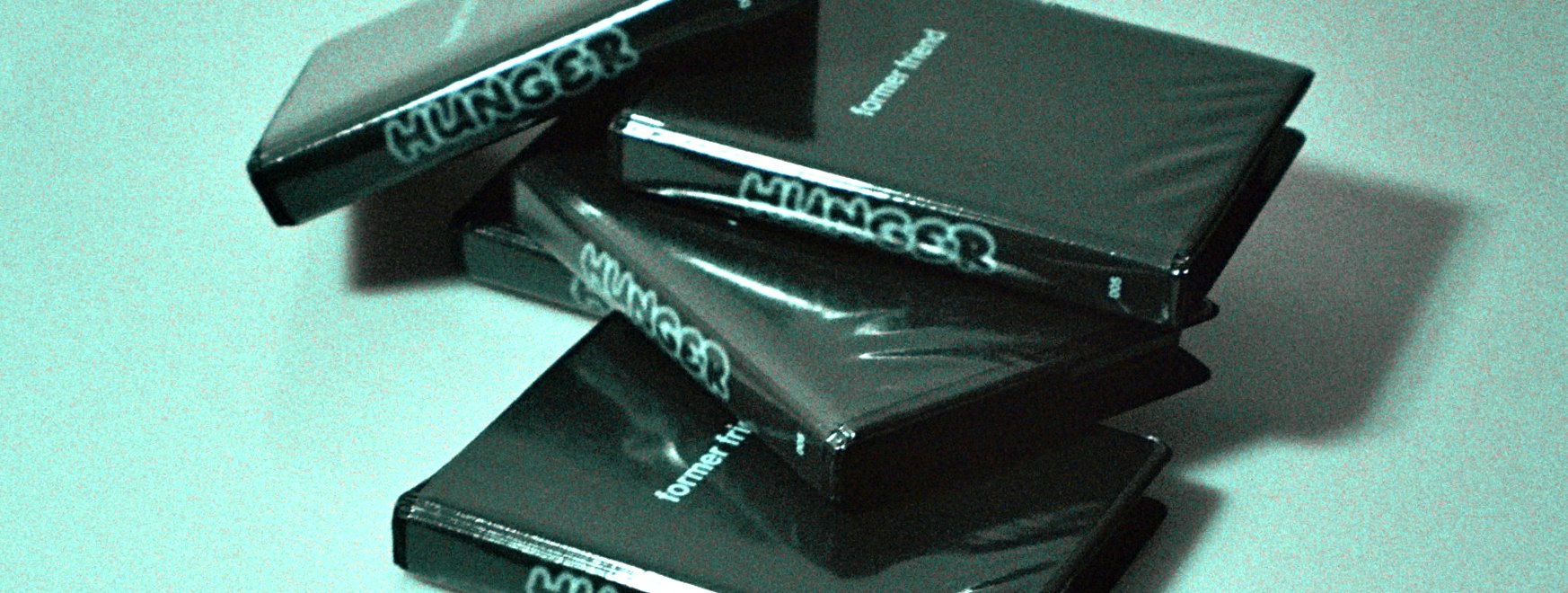
The cassette is the chosen unit, and it carries the whole philosophy in miniature. It is cheap, physical, nostalgic, and honest about its own decay, since every play wears it down a little until one day it is spent. In a year when even Taylor Swift records tapes, the format reads less as retro than as refusal: a small, dense object you hold in your hand instead of the bottomless scroll. Put a tape in the deck and the phone stays in your pocket. That is most of the point.
It helps that both founders think spatially. Robin trained at the Hague art academy and holds a degree in spatial design, and she reads a room the way she reads a release: where the DJ stands, where the rest zones are, how people move past one another without colliding, whether the layout was considered at all. In this account a club is not a backdrop. It is an instrument, and the night sounds different depending on how it is tuned.
A frame for others
The various-artists format turns out to be its own kind of structure. It is a frame that lets newer artists stand beside familiar ones and borrow a little of their trust. On Former Friend that means first-time releases sharing a tracklist with established names, Legowelt among them, present under two aliases rather than his own. The tape sold out before the party even started. The connections such a frame makes tend to arrive later, on a dance floor, between two people who recognise a name from the same tape. Her advice to anyone waiting on a reply from a large label is plainer than the metaphor: release it yourself, on Bandcamp, and accept the smaller room. Better that twenty people hear it than nobody does.
Making room for culture
One impulse comes up only at the end of the interview, but it seems to sit underneath everything else: the urge to archive. A label is a way of fixing something in place, of being able to look back later and say this is how we did it then, and this is how we do it now. The cassette is an object you can lose; the catalogue is the thing that lasts.
Which returns to the idea that holds the rest together, the one Hunger! offers almost in passing: making room for culture, both the literal rooms and the figurative ones. The literal rooms are fragile. Venues in the city wobble, their futures uncertain, and what survives is largely decided by what they call the grid of culture: the lines of subsidy a city draws to mark what it will fund, usually by people who are rarely on the club floor. They would rather see clubs treated as cultural institutions, closer to museums than to businesses, with a heritage worth protecting. Hunger!, meanwhile, is back, with at least two releases planned this year, one of them on vinyl. The argument was never that small is charming. It is that small, made with care, stands more firmly on its feet than the constant reach for the biggest stage.