RDBLCK: WHERE THE LIVINGROOM ENDS
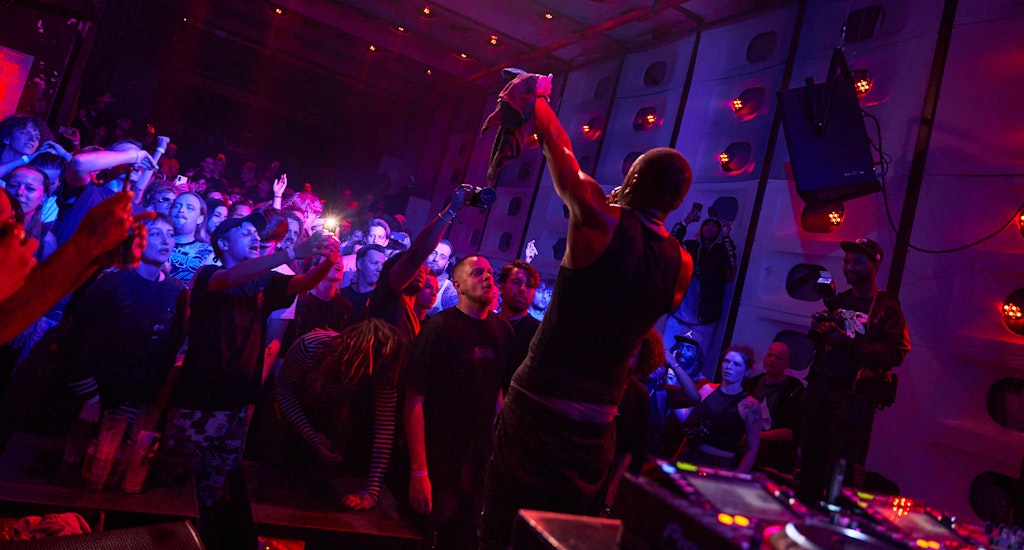
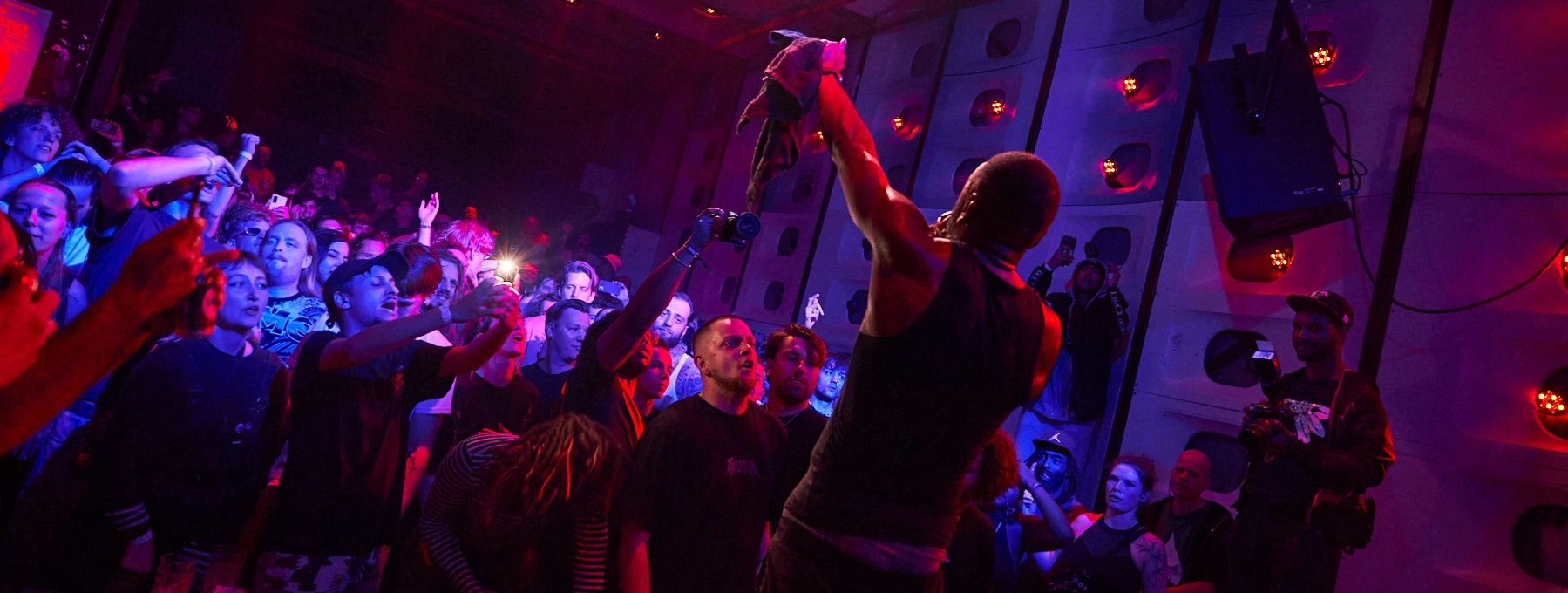
Most communities are not designed. They emerge from proximity, repetition, and the accident of shared space. RDBLCK started in a living room in Rotterdam. A DJ controller, a Twitch stream, friends on the couch. Six years later, the bass music collective filled a repurposed art gallery with over 250 people, books festival stages, and did a takeover at Future Intel. The living room did not get too small because more people showed up. It got too small because the idea of what RDBLCK could be outgrew the walls it was born in. What remains is a spatial question: how do you preserve the intimacy of a house party once you have left the house?
FROM LIVINGROOM TO WHITE CUBE
RDBLCK began around 2019 in Michael's living room under a different name: 010 loves 140, a reference to Rotterdam's area code and 140 BPM, the tempo at the heart of dubstep. Friends showed up, someone hit 'go live' on Twitch. It was the kind of setup where an artist who had just played at Red Rocks would find himself performing between a couch and a bookshelf.
The name, however, encoded a limitation. Rotterdam and Amsterdam carry a well-documented rivalry, and branding yourself with a city code narrows your geography. So 010 Loves 140 became RDBLCK. The living room shifted to Chris's place. The community continued to grow: fifty people in an apartment during COVID, when the official gathering limit was three?
The next transition proved more consequential. RDBLCK moved into Litterbox, a streaming space within de Nieuwe Lichting Stichting. Walls were demolished and rebuilt, a streaming box constructed by a local artist, all within three weeks. The opening drew over 250 people. Yet something essential was lost in the process. Litterbox is a cube: the footage looks excellent, the acoustics hit hard, but the walls generate distance rather than closeness. The sound discourages conversation. There is nowhere to sit. The only space where genuine exchange still occurs is outside, among smokers. It is a familiar paradox of nightlife architecture: the programmed centre empties out while the margins become the real gathering place.
Litterbox will close in September when the Schieblock cultural hub enters redevelopment. RDBLCK does not yet have a next location.
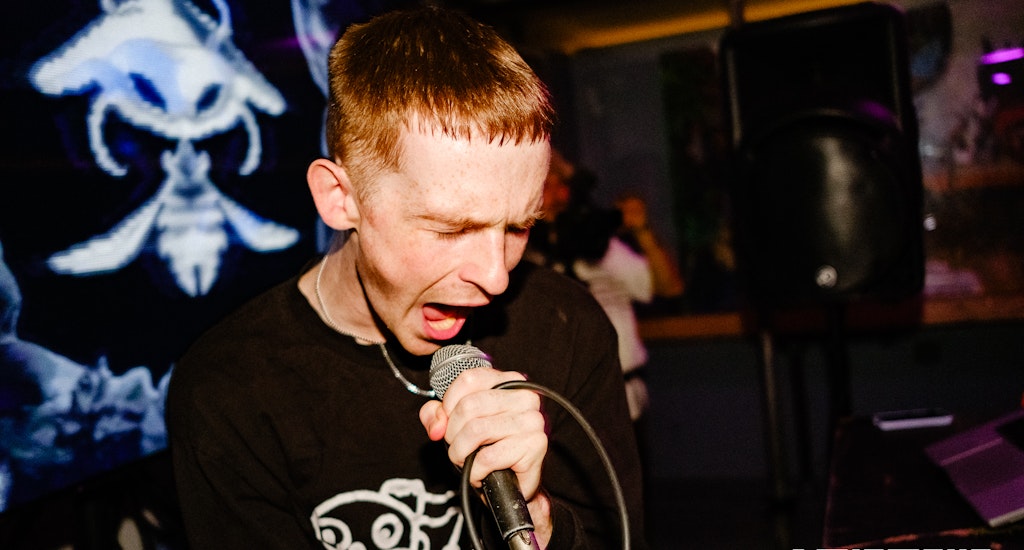
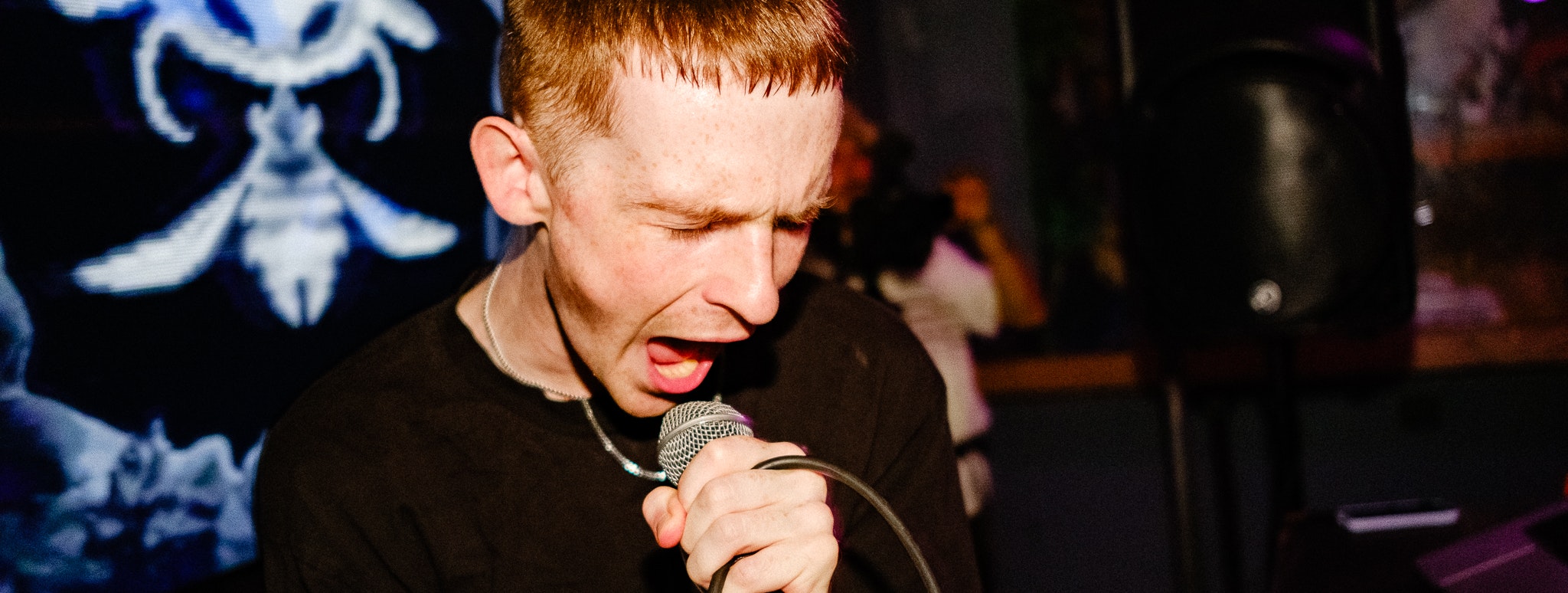
Purists within the group resisted the inclusion of sounds outside the established UK underground canon.
UNIVERSAL BASS
Ask RDBLCK what they play and there is a considered pause before the answer. They began with dubstep, specifically the deep, dub-influenced UK strain rather than its American festival derivative. From there: jungle, UK garage, grime. All styles rooted in Caribbean sound system culture, filtered through British basements and pirate radio frequencies.
But the collective has expanded well beyond those origins. Afro bass, kuduro, South African electronic styles, Caribbean-inflected speed garage. They have arrived at a term that
accommodates this breadth: universal bass. The shift was not frictionless. Purists within the group resisted the inclusion of sounds outside the established UK underground canon. What resolved it was not argument but demonstration: carefully curated lineups that proved the musical range could cohere. The collective now counts six to seven resident DJs and producers, with Chris overseeing programming. Lineups are constructed around energy arcs rather than strict genre categories.
RUNNING ON PASSION
RDBLCK operates entirely without funding. Everything is voluntary. The only income comes from occasional festival bookings, notably Downtown Festival, where the collective has appeared for several consecutive years thanks to de Nieuwe Lichting being the first institution to invest in them as a project.
The economics of passion are precarious. There have been serious conversations about disbanding. Someone always redirects the group back to its commitments and the people who would be affected. The foreseeable trajectory includes formalising as a stichting, releasing music, and organising their first independent party outside of Litterbox.
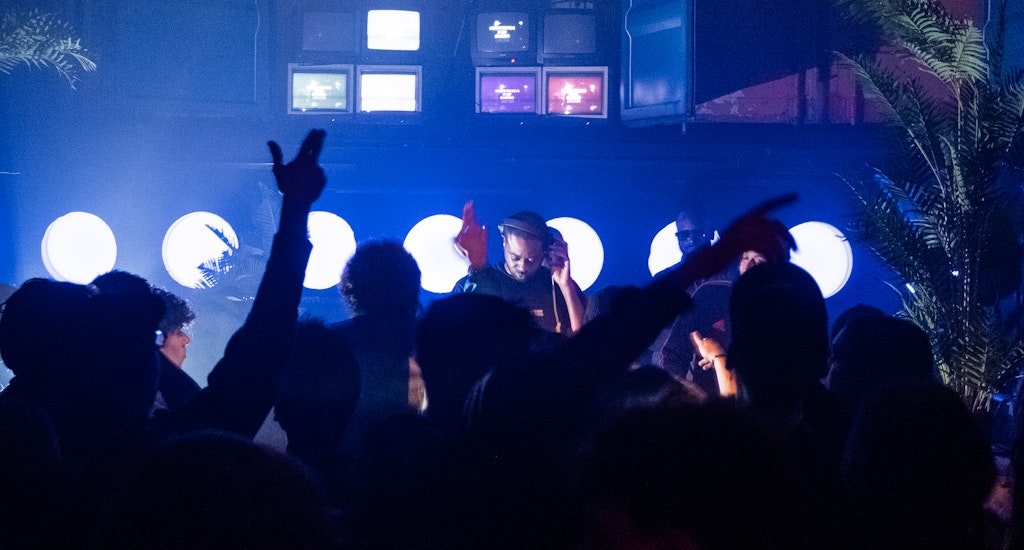
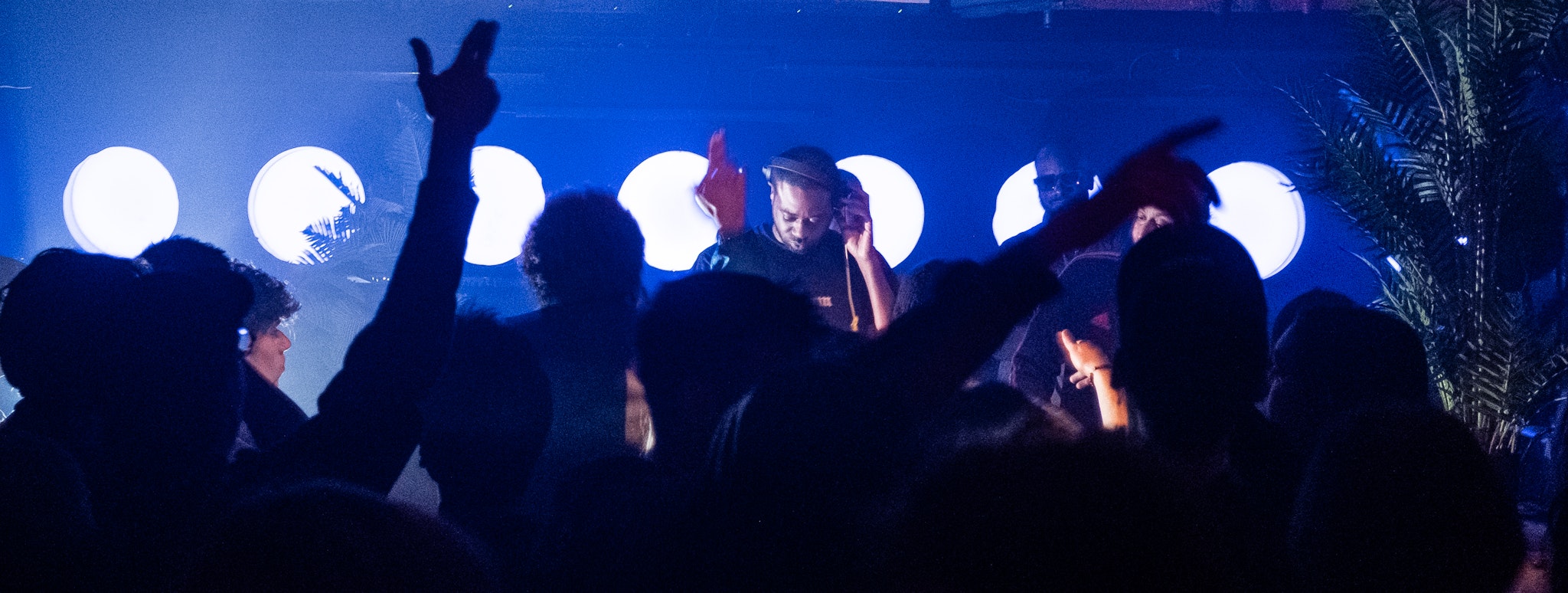
RDBLCK × Future Intel
For their takeover at Future Intel, RDBLCK presented residents only. No guest artists, no external names. The alignment between the two platforms turns out to be a natural one. Future Intel carries deep roots in bass music, and the overlap in musical sensibility made collaboration feel self-evident once the connection was established. The underlying ambition is oriented toward community rather than reach.
Rotterdam's underground music infrastructure has weathered quiet years, periods where venues closed and the city's club culture seemed to contract. But the grassroots layer never fully disappeared. It persisted in living rooms, repurposed offices, and group chats. RDBLCK belongs to that continuity. Not the most visible collective, not the largest, but one that has been building consistently from below. The spaces keep changing. The invitation remains the same.